

All it takes is an “ordinary” viral infection, and suddenly everything has to wait – work, hobbies, and even that long-planned vacation. Sure, we can ease the symptoms. But we usually can’t do much to shorten the illness itself or speed up a full recovery. That’s why it makes more sense to focus on prevention. But what actually works?
What Is Immunity?
The immune system is a network of cells, tissues, and organs that protects the body against infections, foreign substances, and damaged or abnormal cells. The fight against these threats takes place on two fronts:
-
Natural Barriers and Innate Immunity
The skin and mucous membranes act as “security guards” that try to prevent potential threats from entering the body in the first place. If something does get through, a general alarm is triggered. Innate immunity responds quickly, but it cannot target the threat with great precision.
-
Acquired (Adaptive) Immunity
After a few days of unsuccessful fighting, the body activates a backup plan that is more precise and effective. More specialized antibodies are produced, along with immune memory, so that the next encounter can be dealt with more quickly.
Ironically, a hypersensitive immune system can also cause harm by triggering an excessively strong inflammatory response. Our long-term goal should therefore not be to constantly stimulate and “push” the immune system to its limits, but rather to support its natural and appropriate function.
The pursuit of overall balance is always best started by building the fundamental pillars of a healthy lifestyle.

Lifestyle as the Foundation of Strong Immunity
The immune system is sensitive to a wide range of internal and external factors. Lack of sleep, stress, poor diet, or a sedentary lifestyle can all weaken its performance.
1. Sleep and Recovery
Quality sleep is one of the most powerful immune-regulating factors. During sleep, immune cells regenerate and communicate with other systems throughout the body. Sleep deprivation therefore impairs immune responses and increases susceptibility to infections.
Chronic stress also undermines immune function. Studies show that people experiencing higher levels of stress tend to be more prone to upper respiratory tract infections. Constant pressure often leads to poorer sleep and less physical activity. At the same time, we are more likely to eat irregularly and unhealthily or seek comfort in a glass of wine or a pack of cigarettes. The overall burden on the body is therefore multiplied.
2. Movement and Physical Activity
Moderate-intensity physical activity is associated with a stronger immune response and a lower incidence of infections compared to spending the entire day sitting.
However, caution is needed. Extremely intense training may temporarily suppress immune function. Research suggests that it can take several hours to a full day for the body to return to normal after strenuous exercise. For this reason, it’s wise to be especially careful after demanding workouts.
3. A Balanced Diet
Alongside regular exercise, optimal nutrition is equally important. Research suggests that this combination supports immune cells more effectively than either strategy alone.
The immune system thrives on a diet rich in micronutrients, antioxidants, and high-quality protein. Your daily menu should therefore include:
- at least 600 g of fruits and vegetables in a variety of colors,
- adequate protein (from meat, eggs, legumes),
- healthy fats (such as olive oil and nuts).
On the other hand, it is advisable to avoid junk food and ultra-processed foods. These can negatively affect the gut microbiome, which is closely linked to immunity. They may also contribute to chronic low-grade inflammation, placing an ongoing burden on the immune system and reducing its capacity to deal with other challenges.
Increased susceptibility to infections is also associated with deficiencies in specific nutrients. However, these deficiencies should ideally be confirmed through laboratory testing, or addressed with safe preventive nutrients whose excess can be naturally excreted by the body.
Specific Nutrients and Botanical Compounds Supported by Science
-
Vitamin D
Vitamin D plays a role not only in calcium metabolism but also in the function of immune cells (T and B lymphocytes) and immune signaling pathways. Vitamin D deficiency is therefore associated with more frequent upper respiratory tract infections and a weakened immune response.
In our region, vitamin D deficiency is almost the norm due to limited sunlight exposure and low consumption of fatty fish. Supplementation, especially during the winter months, is therefore often essential.
-
Vitamin C
Vitamin C is an antioxidant required for the proper function of white blood cells. It contributes to protecting cells from oxidative stress and supporting a normal immune response. Research also suggests that it may slightly shorten the duration of the common cold. In addition to citrus fruits, it is abundant in bell peppers, rose hips, and garden cress.
-
Zinc
Zinc is essential for the development and function of immune cells. Zinc deficiency is linked to weakened immunity and a higher incidence of infections. Good dietary sources include red meat, organ meats, and pumpkin seeds.
TIP: If you decide to supplement zinc, organic forms such as zinc bisglycinate tend to offer better absorption and are gentler on the digestive system.

-
Beta-Glucans
Beta-glucans are natural polysaccharides that may support the activity of certain components of innate immunity, such as macrophages and natural killer (NK) cells. Popular sources include yeast and medicinal mushrooms such as reishi, shiitake, and oyster mushrooms.
-
Echinacea Purpurea
Polysaccharides and other bioactive compounds found in echinacea may modulate immune cells and cytokines. Some clinical studies suggest a reduction in both the incidence and duration of colds when echinacea extracts are used regularly.
When Diet Isn’t Enough, Supplements May Help
If your diet does not fully meet your body’s current needs, consider targeted supplementation with scientifically supported nutrients.
ShieldPro combines some of the most extensively studied ingredients in the field of immunity—echinacea, beta-glucans, zinc, and vitamins C and D3—in highly bioavailable forms. It can serve as a practical safeguard during periods of increased stress or seasonal infection risk.
Food supplement for long-term immune resilience and daily support of the body’s natural defenses, 60 capsules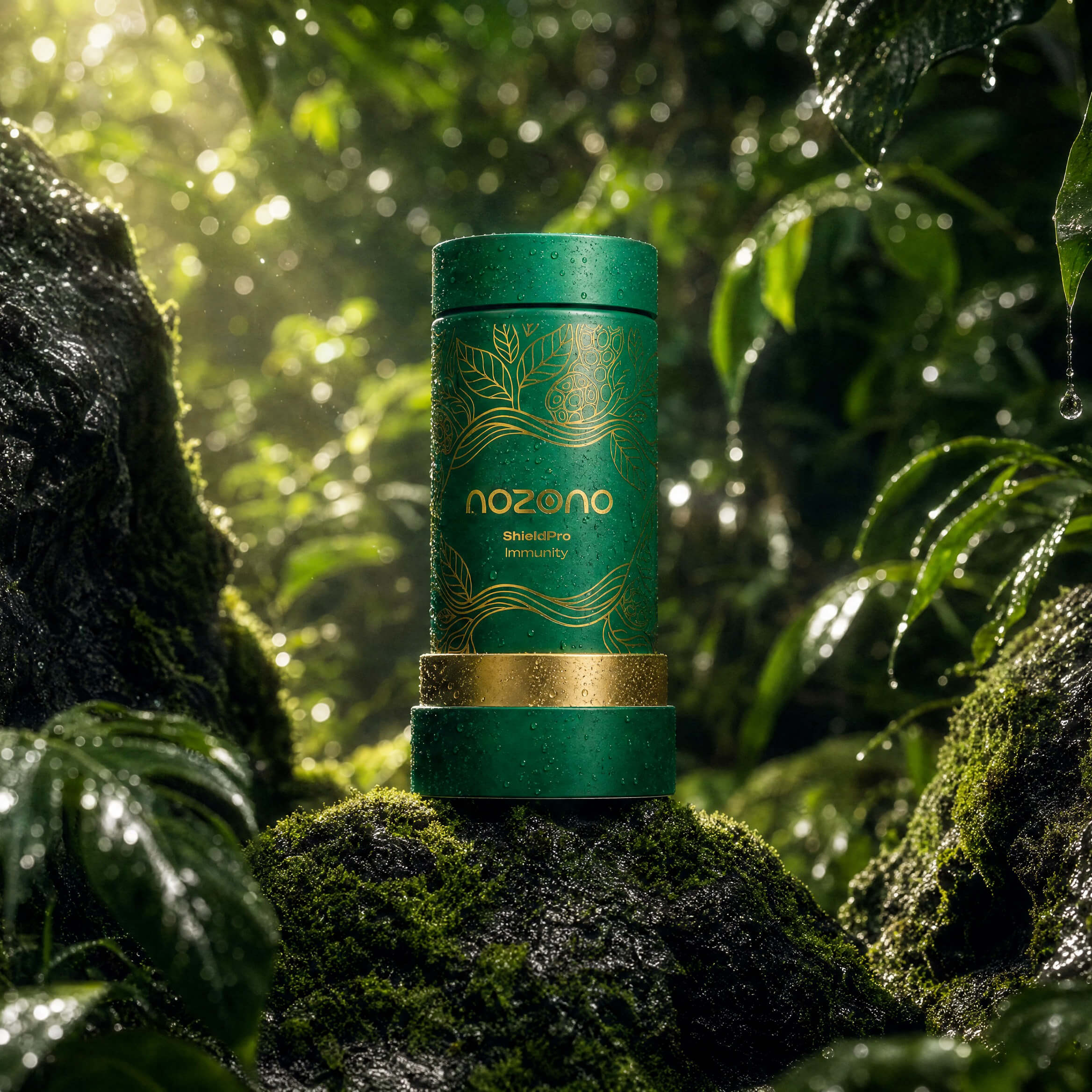
Key Takeaways
There is probably no magic pill that can guarantee bulletproof immunity—and in reality, that wouldn’t even be desirable. Instead of relentlessly trying to “boost immunity,” as advertisements and lifestyle magazines often encourage, it is far more effective to focus on supporting the normal function of the immune system through nutrition and lifestyle habits.
More important than any individual nutrient is maintaining overall balance, supported by adequate sleep, reduced chronic stress, regular physical activity, and a varied, nutrient-rich diet.
Sources:
- https://pmc.ncbi.nlm.nih.gov/articles/PMC8531728/
- https://www.researchgate.net/publication/335239370_Diet_and_Immune_Function
- https://pubmed.ncbi.nlm.nih.gov/20716708/
- https://pubmed.ncbi.nlm.nih.gov/20842027/



Share:
Movement and Longevity: How to Exercise for More Energy?
Hidden Source of Energy and Vitality: How to Care for Your Mitochondria?