
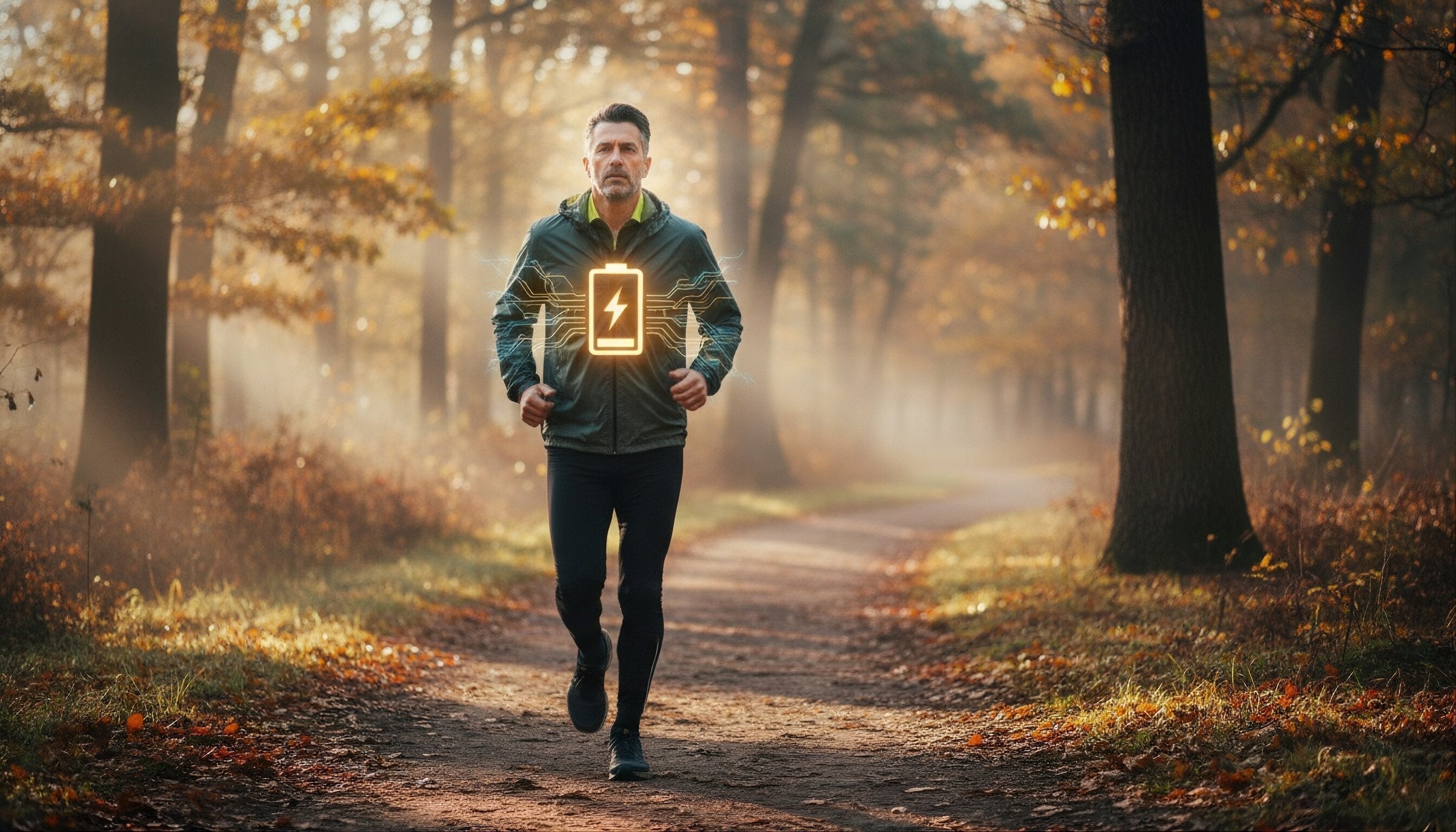
“I already have so little energy — the last thing I need is to exhaust myself with exercise.” And that may be exactly the mistake! While physical activity does use up energy in the short term, in the long run, it deposits energy into our imaginary energy bank. Regular physical activity has a significant impact on both the length and quality of life. But you don’t need to sprint your way to longevity. Quite the opposite — instead of extreme performance, moderation and sustainability tend to pay off much more.
Movement and lifespan: What do studies say?
Movement is not just a tool for maintaining a slim figure. People who move regularly live longer and have a lower risk of most lifestyle-related diseases — from cardiovascular disease and type 2 diabetes to certain types of cancer.
Especially compared with inactive populations, the differences are truly noticeable. A large cohort study published in JAMA Network Open shows that reaching at least the recommended level of physical activity is associated with a 31% lower risk of premature death.
How much movement do we need for health and longevity?
According to the World Health Organization (WHO), surprisingly little is enough:
-
150–300 minutes of moderate-intensity activity per week
— such as brisk walking, cycling, or swimming
or
-
75–150 minutes of vigorous-intensity activity per week
— running, interval training, or team sports
plus
-
strength training at least twice a week.
WHO also emphasizes that any amount of movement is better than none and that health benefits begin to appear even below the recommended threshold. So the “I don’t have time” excuse doesn’t quite hold up. :-)
How does movement help us live longer?
1. A healthier heart and blood vessels
Regular physical activity helps lower blood pressure, improves the ratio of “good” to “bad” cholesterol, and increases insulin sensitivity. As a result, it significantly reduces the risk of heart attack, stroke, and type 2 diabetes.
2. Better mitochondrial function
Mitochondria are one of the key factors in longevity and vitality. Movement stimulates the formation of new mitochondria and improves their function. That means more energy and slower cellular aging.
3. A healthier brain
Physical activity benefits not only the body but also the brain. It improves blood flow to the brain, supports neuroplasticity, and is associated with a lower risk of dementia and depressive symptoms.
Why does the right kind of movement give energy instead of taking it away?
Exercising your way to longevity is great. But the energy invested in movement doesn’t only return to us “in old age.” You can often notice the first positive changes after just a few weeks of regular activity. Movement:
-
improves metabolic flexibility — the ability to efficiently use both fats and carbohydrates,
-
stabilizes blood sugar levels,
-
supports mental well-being,
-
contributes to better-quality sleep.
The result is usually much more drive throughout the day, fewer energy crashes, and better stress management.

How can you truly recharge your batteries through sport?
For movement to recharge you, forget the idea that you always have to train until you’re completely spent. On the contrary — most of the time, you should stay at a light to moderate intensity.
What does that look like in practice? Brisk walking, easy running, cycling, swimming, or yoga. This type of movement improves fitness without overloading the nervous system.
Of course, intense exercise has its benefits too, but there shouldn’t be too much of it. Frequent exhausting workouts can increase stress hormone levels, worsen sleep, and potentially have a negative impact on the body’s overall resilience — especially if you underestimate recovery.
In practice, the 80/20 rule often works well: 80% of training at lower intensity, 20% at higher intensity.
Combine endurance and strength
Run, or lift weights instead? Ideally, both.
Endurance activities benefit the heart and blood vessels. Strength training helps maintain muscle mass, protect bone tissue, and improve metabolic health. That makes strength training absolutely essential for maintaining fitness and independence into older age. And yes — this applies to women too.
Pay attention to how you feel after training
How do you know you’re doing it right? After most workouts, you should feel better than you did before them. If you’re constantly exhausted, sleeping poorly, your whole body hurts, and you have to force yourself into your next workout, it may be a sign that your training is too intense or too frequent.
The best movement for longevity is the one you can keep doing for years
Long-term data consistently show that the greatest benefits come from regular, not extreme, movement. So you don’t need to spend hours in the gym. Daily walking, gardening, cycling, or recreational sports you enjoy can be just as valuable. Consistency and sustainability win here over forced intensity.
Smart tips for getting more movement into every day:
- An adjustable desk and a walking pad allow you to stay active even during working hours.
- Have to sit through meetings and calls? Suggest moving at least some of them to a park. Walking often brings out the best ideas.
- Set an hourly reminder on your phone and take a small movement snack, also known as an exercise snack. According to scientists, even a single minute can make sense — for example, a few squats or running up the stairs — helping break up a full day of sitting.
- Place various balance tools around your home and use them whenever you “stumble upon” them — even while making a phone call or brushing your teeth.
- Get a doorway pull-up bar and every time you pass underneath it, do a few pull-ups or simply hang for a moment. Your back will thank you, and you’ll also train your grip — a surprisingly strong indicator of biological aging and overall fitness.

Did you know…
…that stress doesn’t make us stronger on its own — only when we can recover well afterwards?
Muscles don’t grow during training, when we slightly damage them, but during the recovery that follows. So if you’re starting to exercise more often, give your body quality sleep and a varied diet with enough protein and important micronutrients as well.
Processes related to repairing damaged structures, renewing mitochondria, and adapting to physical stress can be supported through a diet rich in natural bioactive compounds — for example antioxidants from berries or polyphenols from extra virgin olive oil.
If you want to go one step further, you can supplement these nutrients in a targeted way. In LifeCharge, you’ll find them alongside other substances such as vitamin E and calcium alpha-ketoglutarate, which are associated with supporting cellular renewal and metabolic health — and therefore play a role in coping with everyday physical and mental stress.
Food supplement for active longevity, cellular vitality, and support for healthy ageing, 90 capsules
Movement is a privilege, not a punishment
Movement is one of the most accessible tools for influencing your own health. It doesn’t require special equipment or extreme performance — only regularity. At the same time, we often take the ability and opportunity to move for granted, only realizing later what a privilege it was. So find a physical activity you enjoy and, instead of treating it like an annoying obligation, try wrapping it in gratitude.
Sources:
- https://pubmed.ncbi.nlm.nih.gov/25844730/
- https://www.who.int/publications/i/item/9789240015128
- https://pubmed.ncbi.nlm.nih.gov/40459444/
- https://pubmed.ncbi.nlm.nih.gov/34087277/
- https://cdnsciencepub.com/doi/10.1139/apnm-2023-0128
- https://pubmed.ncbi.nlm.nih.gov/35445560/

Share:
The brain and focus: What steals our attention, and how can we regain it?
How to naturally support your immune system so illness doesn’t slow you down?