
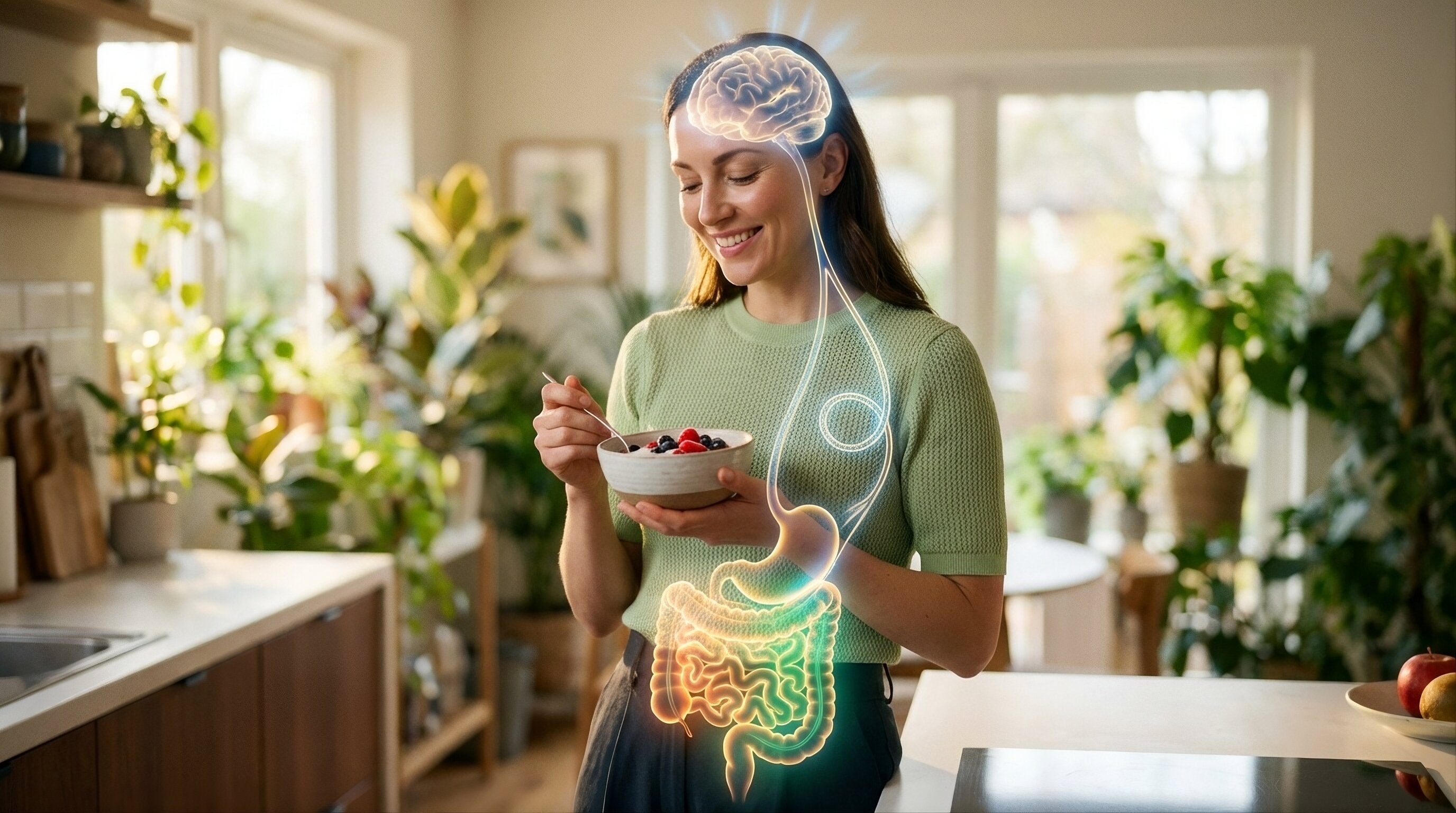
Roughly as many microorganisms live in our gut as we have cells of our own. And their impact on health is far greater than we thought just a few years ago: the gut microbiome affects digestion, the immune system, and metabolism, as well as mental well-being and the aging process. So it’s worth taking care of it. How?
What is the gut microbiome?
The gut microbiome is the collection of all microorganisms living in the digestive tract. Each person has a unique microbial “fingerprint”, which begins forming at birth and changes throughout life under the influence of diet, environment, stress, and medication.
When everything is working as it should, there is a mutually beneficial relationship between the host — the human body — and the microbial inhabitants of the gut. Microorganisms help break down complex nutrients, produce bioactive compounds and support the stability of the gut environment.
But when this balance is disrupted — a state known as dysbiosis — problems may begin to appear. Dysbiosis is associated, for example, with metabolic disorders, chronic inflammation, and certain neurological and psychiatric conditions.

But that is far from everything the microbiome has under its control.
Immunity begins in the gut
One of the surprising missions of the gut microbiome is the effective functioning of the immune system. Gut bacteria produce various metabolites, such as short-chain fatty acids — SCFAs — which:
-
help “train” the immune system to recognize pathogens,
-
support proper regulation of inflammatory responses,
-
strengthen the intestinal barrier, which prevents harmful substances from entering the bloodstream.
When this barrier is compromised, bacteria or their products can spread through the body and trigger chronic inflammation, which is linked to a range of lifestyle-related diseases.
The mind under bacterial influence
You may have heard that the gut is our second brain. That’s a bit of an exaggeration, but research does confirm that the gut and brain work closely together. Scientists have even described direct biological communication between the microbiome, nervous system, and immunity, known as the gut–brain axis.
Gut bacteria can influence, for example, the production of neurotransmitters — chemical messengers that transmit nerve signals. These are involved in mood and memory regulation, as well as basic bodily functions such as breathing and heartbeat. Brain and nervous system function are also affected by inflammatory processes in the body, which may be linked precisely to a poorly balanced microbiome.
What does that mean in practice? In people with depression or anxiety disorders, changes in microbiome composition are often observed, along with reduced microbial diversity and increased inflammation. Conversely, a more stable and diverse microbiome is associated with greater mental resilience and lower levels of inflammatory markers.
A matter of life and… an even longer life
In recent years, the microbiome has also moved to the forefront of aging research. Some studies suggest that the composition of gut bacteria may influence not only lifespan, but also quality of life in older age.
Long-lived populations often show:
-
higher microbial diversity,
-
a greater presence of bacteria that produce anti-inflammatory metabolites,
-
a more stable gut environment.
These factors may help reduce the chronic inflammation mentioned above — something we try to avoid when aiming for a long and healthy life. What’s more, gut dysbiosis can negatively affect muscle mass, which may in turn worsen frailty in older adults.
What doesn’t benefit gut bacteria?
The balance of the gut ecosystem is relatively sensitive. It can be thrown off, for example, by:
-
a diet rich in ultra-processed foods,
-
a lack of fibre,
-
chronic stress,
-
lack of sleep,
-
excessive use of antibiotics or other medications.
Medications in particular can have a surprisingly long-term impact on the microbiome — some studies suggest that changes in gut bacterial composition may persist for years after discontinuation.
How can you support a healthy microbiome?
The good news is that the microbiome is one of the most modifiable pillars of health. Lifestyle plays a key role, and it is especially worth focusing on:
1. Sufficient fibre intake
Fibre serves as food for gut bacteria. When it ferments, beneficial metabolites are produced that support both the intestinal barrier and the immune system.
So include more vegetables, fruit, legumes, and whole grains in your diet. Chicory syrup can also be an interesting source of prebiotic fibre — while making it easier to reduce sugar and artificial sweeteners, which do not benefit the microbiome.
2. Fermented foods
Foods such as kefir, real yoghurt, kimchi, or sauerkraut contain live microorganisms — probiotics — and may contribute to greater gut microbiome diversity.

3. Movement and quality sleep
Regular activity and enough sleep positively affect both microbiome composition and the immune system — and, in fact, overall physical and mental well-being too.
4. Variety
From a microbiological point of view, dietary variety is often more important than the perfection of individual foods. Each type of food — especially plant-based foods — supports the growth of different bacteria.
The microbiome is powerful, but not all-powerful
If you have more complex goals, such as stronger immunity, it pays to fight on several fronts — for example, with the help of high-quality dietary supplements. ShieldPro, with echinacea, beta-glucans, and vitamins, effectively supports the body’s natural defences and is suitable for long-term use.
Food supplement for long-term immune resilience and daily support of the body’s natural defenses, 60 capsules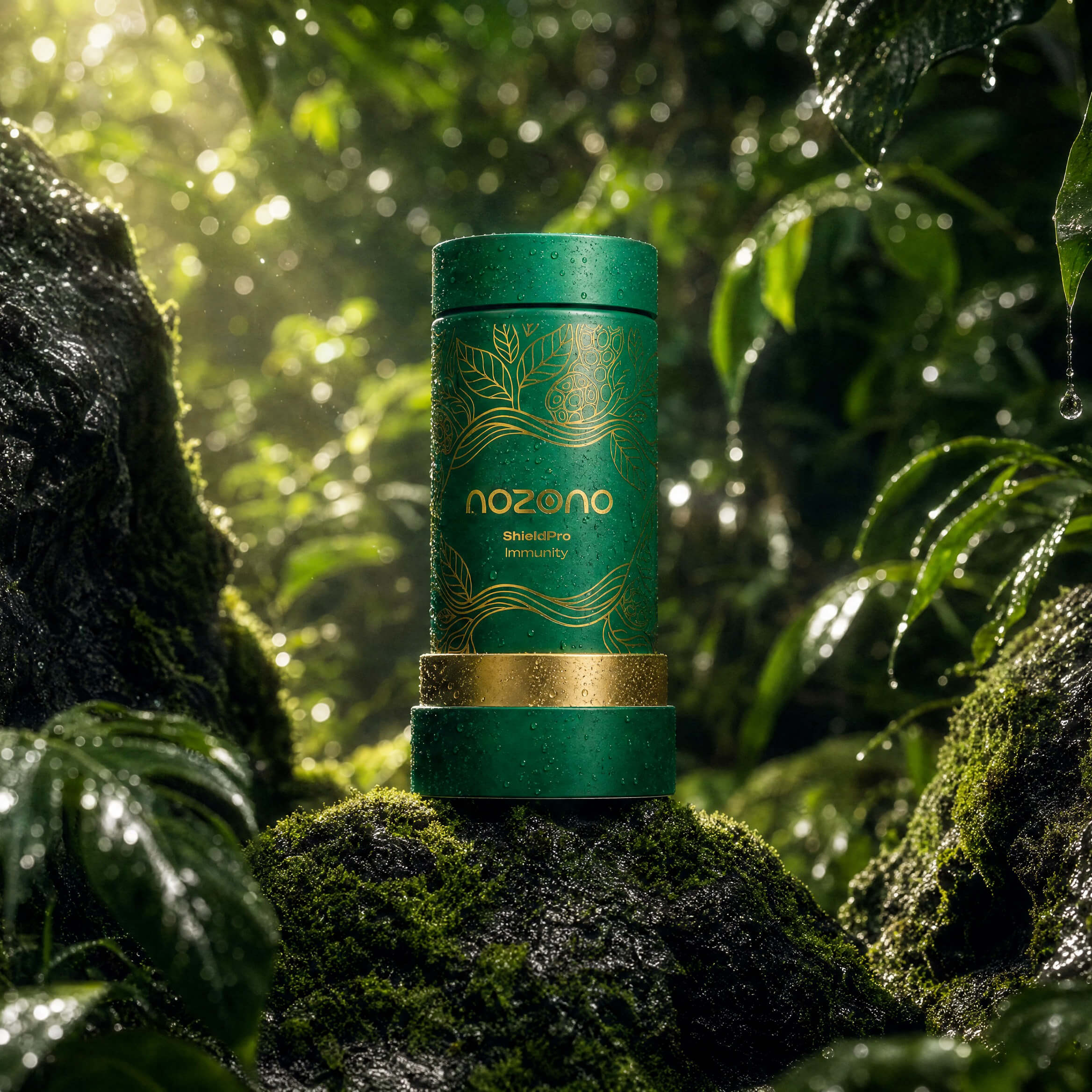
What should you take away from this?
Taking care of your gut microbiome is not some wellness magazine trend, but a fairly rational strategy for supporting your long-term health. What matters is not only the number of “good” bacteria, but also their diversity and balance in line with your unique biological setup.
Once again, the greatest effect comes from a combination of simple habits: a varied diet rich in fibre, regular movement, enough sleep, and limiting ultra-processed foods.
Sources:
-
https://tns.ewapub.com/article/view/19346
-
https://pubmed.ncbi.nlm.nih.gov/39911400/
-
https://link.springer.com/article/10.1186/s12929-025-01179-x
-
https://www.sciencedirect.com/science/article/pii/S0889159124007566



Share:
Hidden Source of Energy and Vitality: How to Care for Your Mitochondria?
The kind of fatigue sleep won’t fix: How to “reset” an overloaded nervous system?