


You probably know this feeling: you sleep fairly well, your muscles don’t hurt, but in the morning you still lack energy. Coffee stops working and your focus has disappeared somewhere unknown. Could it be the feared burnout? It could. But it can also be something far less abstract – nervous system overload.
What is actually happening?
Nervous system overload or also central nervous system (CNS) fatigue happens, unlike physical fatigue (when your muscles burn after training), primarily in the brain.
The most common “victims” of an exhausted CNS are therefore people who work mentally. When the brain is in a long-term state of high activation (stress), it cannot regenerate properly and also struggles to switch into recovery mode when it finally gets the chance. The result is poorer information processing, mental fog, difficulty concentrating, and an overall weaker “drive”.
3 main causes of nervous system fatigue
-
Constant sensory overload: The brain is not designed to jump all day between routine tasks, work duties, major decisions, and endless notifications. Long-term overload increases mental fatigue, worsens focus, and reduces cognitive performance.
-
Disrupted circadian rhythm: Blue light from screens in the evening suppresses melatonin production (the so-called sleep hormone). This can worsen sleep quality even if you technically get the recommended 8 hours.
-
Nutrient deficiencies of key substances: The brain makes up only 2% of body weight but consumes up to 20% of energy. In addition to a balanced diet, specific micronutrients also play a crucial role in proper neuronal function.

How to “restart” the nervous system?
If your nervous system is overloaded, you don’t need to quit your job and take a two-year break. Often, a few small changes are enough to notice a significant difference soon.
1. Short deep rest during the day (NSDR / Yoga Nidra)
For people with high standards and a tendency to maximize every minute, it is difficult to simply “switch off”. The Non-Sleep Deep Rest (NSDR) protocol, often known as Yoga Nidra, is a scientifically supported method that can bring the brain into a state of deep relaxation within 10–20 minutes without falling asleep.
These deep relaxation states have been shown in research to support regeneration and reduce stress activity in the nervous system.
It is ideal to start under the guidance of an experienced instructor. Later, short audio recordings are enough – for example before an important meeting or after lunch, as prevention against the afternoon energy and focus crash.
2. Cold and heat as controlled stress
Short exposure to cold or heat activates the nervous system and increases mental and physical resilience. During this short-term controlled stress, norepinephrine levels rise – a hormone that prepares the body for stress situations (fight or flight). In essence: “what doesn’t kill you makes you stronger”.
How to do it in practice? Fall in love with regular sauna use and at the end of your morning shower stay 30–60 seconds under the coldest water.
This morning ritual can energize you more gently and for longer than coffee. Caffeine (especially when the nervous system is overloaded) can trigger or worsen anxiety, and is often followed by a quick energy crash.
3. Get your brain moving
Regular physical activity improves blood flow to the brain, supports neuroplasticity, and reduces stress. However, when overloaded, it should not drain you further. Choose mainly low-intensity activities.
► Read more in the article about movement and longevity.
4. Visual hygiene
Working on a computer forces us into so-called foveal vision – narrow focus on a single point – similar to when we carefully track a target or potential threat. This is stressful and tiring for the brain. At least once an hour, switch to panoramic mode for a few minutes.
How? Simply look into the distance and try to perceive your peripheral vision – what is above, below, and beside you, without moving your eyes. This sends a signal to the brain that you are not in danger and can switch off alert mode.
5. Managing digital dopamine
CNS fatigue is often fueled by a constant stream of stimuli and notifications from the digital environment. Every phone beep – and even its mere presence – demands attention and drains cognitive capacity.
During deep work, therefore remove your phone from sight, or at least turn off sounds and vibrations. Also consciously take regular breaks completely without technology.
► Read more in the article about focus.
What to feed the nervous system?
In addition to avoiding external overload, it is equally important what we “feed” the nervous system from within. Within a varied and balanced diet, it is worth following these basic principles:
- maintain a stable blood sugar level (for more stable energy) – eat regularly and avoid large amounts of sugary foods and drinks;
- ensure sufficient protein intake (some amino acids are precursors of neurotransmitters) – ideally around 30 g per main meal;
- choose healthy fats and do not follow an overly low-fat diet (fats are essential for brain and nerve tissue structure).
The foundation of the diet should consist of complex carbohydrates (whole grains, oats, potatoes), legumes, eggs, fish, quality meat, vegetables and fruit, nuts and seeds, avocado, and olive oil.

When the basics are not enough…
…targeted support comes into play.
Several key micronutrients are involved in nervous system function, and it is often difficult to cover them sufficiently through diet alone. In such cases, high-quality supplements may be appropriate.
Magnesium
Magnesium is involved in more than 300 biochemical reactions and plays a role in regulating the nervous system and stress response. When choosing a supplement, prefer well-absorbed organic forms. For calming and recovery support, magnesium bisglycinate has proven most effective.
For comprehensive support of calm sleep onset and nighttime recovery, try DeepRest. It combines highly absorbable magnesium, L-theanine, and carefully selected plant extracts traditionally associated with calming effects.
Omega-3 (EPA, DHA)
Omega-3 fatty acids belong to healthy fats. They help reduce chronic inflammation caused by stress and unhealthy lifestyle, support neuroplasticity, and protect proper neuron function.
They are mainly found in fatty sea fish and fish oil. Since these are often lacking in the diet, supplementation is recommended.
Adaptogens
Adaptogens such as ashwagandha help regulate cortisol levels. Some studies suggest a direct link between regular ashwagandha use and reduced perceived stress. Participants under higher stress also showed improved cognitive function.
B vitamins
B vitamins are essential for proper nervous system function and energy metabolism. Deficiency often manifests as fatigue, weakness, irritability, poor concentration, and memory issues. If your diet already provides enough, supplementation may not feel noticeable. However, if you are deficient, the effect can be surprisingly strong.
Stress and physical load increase B-vitamin demand. Deficiency (especially B12) is common in people with monotonous diets or vegans.
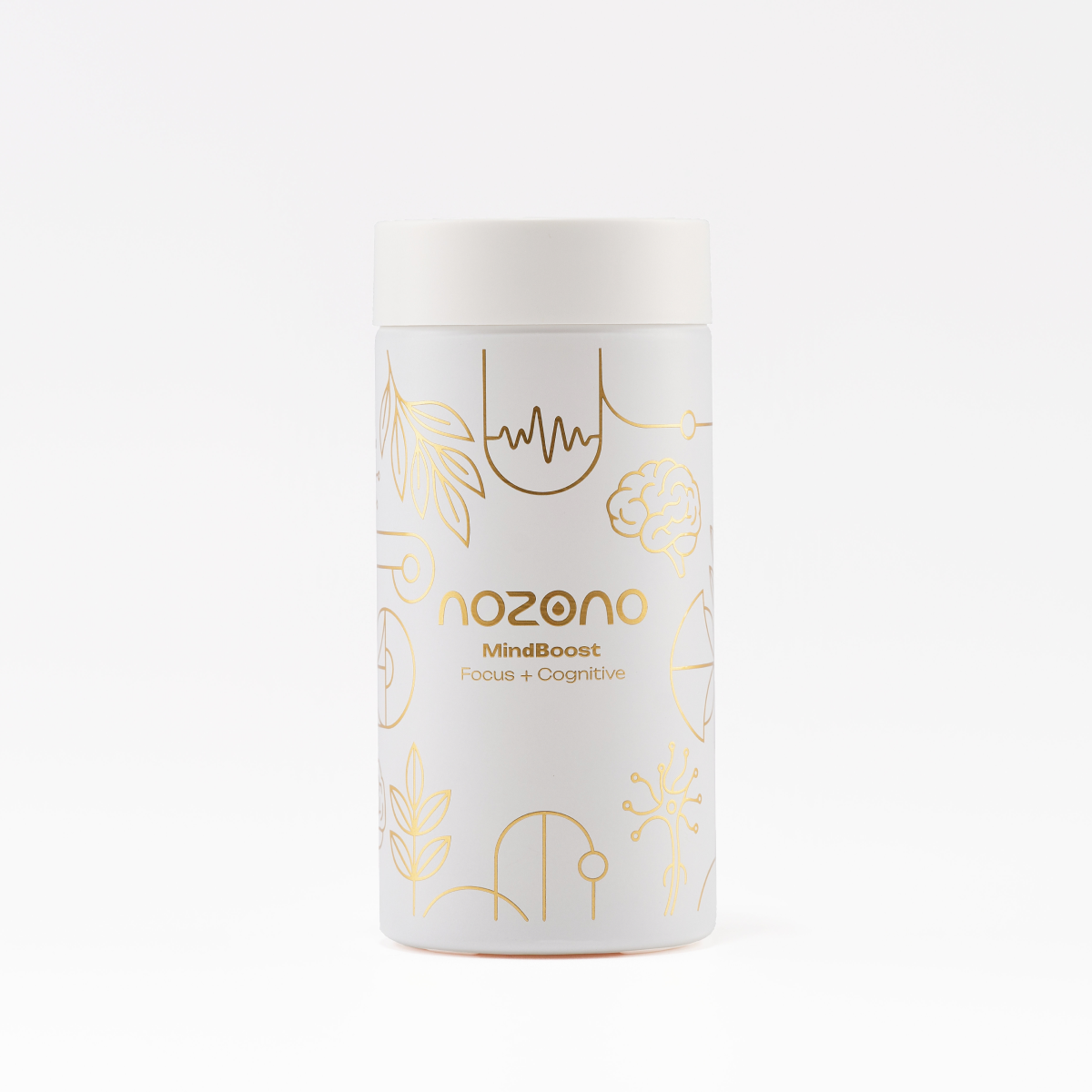
MindBoost contains not only vitamin B12 but also phospholipids, L-taurine, and uridine-5-monophosphate – compounds that support natural nervous system function and may enhance mental energy and resilience during periods of higher load.
Fall asleep faster, sleep through the night, and wake up truly rested. Deep nighttime recovery without melatonin – no morning grogginess, no habit-forming effects While others slow down in the afternoon, you keep going. MindBoost helps keep your mind sharp from morning to evening – an edge you can feel in every decision. Without caffeine or stimulants
What to take from this?
Fatigue that cannot be resolved by sleep may be a signal of long-term system overload. The solution is less chaos (digital and mental), more daily recovery, and emphasis on quality nutrition and regular exercise without performance pressure.
Living constantly on credit means you will eventually have to repay it. For long-term vitality, it is better to keep a balanced “budget” – and ideally even save a little reserve for more demanding periods.
Sources:
- https://www.researchgate.net/publication/328257615_Systematic_review_of_light_exposure_impact_on_human_circadian_rhythm
- https://pmc.ncbi.nlm.nih.gov/articles/PMC9033521/
- https://www.sciencedirect.com/science/article/abs/pii/S030698770700566X
- https://www.journals.uchicago.edu/doi/10.1086/691462
- https://pmc.ncbi.nlm.nih.gov/articles/PMC6024559/
- https://pmc.ncbi.nlm.nih.gov/articles/PMC7468918/
- https://pmc.ncbi.nlm.nih.gov/articles/PMC3573577/



Share:
Gut microbiome: the quiet ally of immunity, mental wellbeing, and longevity
Autophagy: How to Support the Cells’ Natural “Cleanup System”?