
Coffee is a symbol of comfort, a ritual, and a quick way to improve focus. And there’s really nothing wrong with that. According to studies, it offers plenty of benefits and can absolutely be part of a healthy lifestyle. The problem begins when caffeine replaces sleep and compensates for a hectic pace of life. Read on to learn what you need to know about coffee and how to have more energy without relying on it.
Coffee: Friend or saboteur?
The answer to this tricky question may be a little disappointing – coffee can be both. It depends on the amount, the timing, and your individual sensitivity.
There are certainly quite a few well-studied benefits. Large review studies show that drinking around 3–4 cups of coffee a day is often associated with a lower risk of:
-
premature death,
-
cardiovascular disease,
-
type 2 diabetes,
-
some neurodegenerative diseases,
-
certain types of cancer.
That said, proving direct cause and effect is not so simple, so it would be too bold to claim that coffee itself extends life. Overall, however, it repeatedly appears to be more beneficial than harmful.
And we also can’t deny the fact that for most of us, it simply makes us feel better almost instantly.
Why do we feel better after coffee?
The main reason is caffeine. It blocks adenosine receptors – adenosine being a substance that builds up in the brain throughout the day and gradually creates a feeling of tiredness. That’s why caffeine often makes us more alert, better able to focus, quicker to react, and in a better mood.
Caffeine is also one of the best-researched ergogenic substances and may improve both endurance and strength performance. So it’s no surprise that students, managers, and athletes all love it.
When does coffee stop serving us well?
The problem starts when we use coffee to override something that actually needs a completely different solution. We often treat it like a patch for chronic sleep deprivation, long-term stress, an overloaded nervous system, lack of movement in fresh air, and poor lifestyle habits overall.
But caffeine does not remove fatigue. It only masks its signals for a while and delays the moment when the body demands rest. In the short term, that can seem to work. In the long run, though, it may come at a real cost.
Possible downsides of coffee
1. Poorer sleep
Caffeine is broken down in the body in approximately 5–7 hours, and in some people even later. An afternoon coffee can therefore negatively affect falling asleep, sleep duration, and sleep quality (especially deep sleep) – and, in turn, your overall recovery.
So if you find yourself tossing and turning in bed at night, try avoiding caffeine in the second half of the day.
2. Nervousness and anxiety
Some of us are much more sensitive to caffeine. After consuming it, we may experience restlessness, heart palpitations, feeling scattered, or anxiety. Especially in people with an overloaded nervous system, a high caffeine intake may worsen already unpleasant symptoms.
3. Dependence on stimulation
The feeling that we can’t function without coffee tells us something valuable about our lifestyle. If you would fall apart like a house of cards without regular “doping,” that is a clear sign that your lifestyle is unsustainable and, let’s be honest, unhealthy. Coffee partly masks this fact and helps us stay under the illusion that everything is relatively fine. That’s what makes it both powerful and deceptive.

What to reach for instead of coffee?
If you want to swap coffee – at least occasionally – for another drink, it helps to first be clear on what you want it to do better. Are you looking for a lift without feeling overstimulated, or is it more about the taste and ritual, and you’d rather avoid caffeine altogether? Either way, there are plenty of options.
Green tea
The caffeine in tea is sometimes called theine, but chemically it is exactly the same substance. Compared to coffee, however, green tea contains on average three to six times less of it – and it also comes together with the amino acid L-theanine. This supports mental wellbeing, helps ease stress, and promotes relaxation without making us feel sleepy.
Thanks to this, green tea may improve concentration and alertness, but without scatteredness or nervousness. For many people, it offers the ideal balance between energy and calm.
Matcha tea
Matcha is a bit like green tea on steroids. More precisely, it is a concentrated form of green tea that is not steeped but prepared directly from ground tea leaves. It contains more caffeine and more l-theanine, so it gives a reliable boost, but its effects come on – and above all wear off – much more gradually.
This green powder is also rich in polyphenols, which help offset oxidative stress and also activate the body’s own protective and repair mechanisms. That is why they are often discussed in connection with longevity and longer-lasting vitality.
Yerba maté
This traditional South American drink, commonly known simply as maté, is also known for its caffeine and polyphenol content. Scientific evidence is still more limited than it is for coffee, but its supporters often subjectively describe more stable energy and better focus without excessive or uncontrollable stimulation.
Energy drinks
This is where greater caution is needed. The stimulating effect of a high dose of caffeine and other stimulants in energy drinks is multiplied by a large amount of sugar. And when you’re thirsty, it’s easy to drink half a litre in just a few minutes, which is a huge load.
What’s more, we typically reach for energy drinks when we’re sleep-deprived, meaning the body is already out of balance to begin with. For a while they may make us feel like we’ve been “launched into space,” but the crash is often hard. And if we keep crashing repeatedly, the effects may be more lasting.
Regular energy drink consumption is most often associated with:
-
higher blood pressure,
-
poorer sleep quality,
-
greater anxiety,
-
heart palpitations and a faster or irregular heartbeat,
-
(paradoxically) more daytime fatigue.
These drinks work a bit like “energy on credit” – they help immediately, but the bill arrives later, with interest. And if we keep borrowing from them regularly, it is easy to end up in a vicious circle: the less energy we have, the more stimulants we need, and the more stimulants we use, the worse our recovery becomes.
Coffee alternatives
Coffee substitutes such as chicory coffee or grain coffee contain no caffeine, so you should not expect an energy boost from them. They are useful when you want to enjoy a coffee-like drink in the evening or avoid caffeine for various reasons. As a bonus, they may contain certain prebiotic substances (such as inulin from chicory) that support digestion and the gut microbiome.
Of course, coffee alternatives taste a little different from coffee, but the range is quite varied. With a little trial and error, you will definitely find a product that suits your taste. It is just worth checking the ingredients – some instant versions contain surprisingly high amounts of added sugar.
For an authentic coffee taste, there is also decaffeinated coffee, which retains most of its beneficial bioactive compounds. Just rely on quality producers who remove caffeine not with synthetic chemicals, but with gentler methods using liquid carbon dioxide and water.
But be careful! In very sensitive people, the taste of coffee alone can be stimulating (even if partly by suggestion). So decaf before bed is not necessarily the right choice for everyone.

How to have more energy even without coffee?
This probably won’t surprise you, but the absolute basics are:
-
sleeping well,
-
moving regularly,
-
aligning your circadian rhythm,
-
managing stress,
-
eating enough high-quality food,
-
and not overloading the nervous system.
That is why it is often necessary to change your whole approach to energy management. The following aha moments might help nudge you in that direction:
1. Energy is not the same as stimulation
When we feel tired, we try to add more stimulation – another coffee, an energy drink, or a stronger supplement. But real energy does not come from pushing the nervous system even harder. It comes when the body is able to recover effectively between periods of performance.
In other words: the goal is not to feel constantly boosted, but to have enough energy even without a boost. And that can only be achieved through the core pillars mentioned above.
2. The biggest energy drains are often not physical
If we feel drained even though we eat and sleep relatively well, the problem may lie elsewhere: in overload and the constant redirection of attention. Dozens of notifications, multitasking, constant decision-making, and information overload all place a huge energy burden on the brain.
Sometimes the fastest path to more energy is not another cup of coffee, but rather removing unnecessary stimuli.
3. Coffee works best when we do not need it
Paradoxically, coffee tends to be most beneficial when we are not dependent on it and it serves only as a pleasant bonus to a good routine. In that case, we can enjoy its benefits without the potential risks that come when we use it as a lifeline (one we are barely holding onto).
Did you know…
…that our energy levels are also connected to what we eat?
Of course! Food is fuel, after all. But some nutrients play a more significant role in processes related to energy production, mitochondrial function, and resilience to fatigue. These include:
- B vitamins – contribute to normal energy-yielding metabolism and help reduce tiredness and fatigue,
- magnesium – contributes to the normal functioning of the nervous system and helps reduce fatigue,
- polyphenols – support the protection of cells against oxidative stress,
- substances that support mitochondrial function and cellular energy metabolism, such as coenzyme Q10 or calcium alpha-ketoglutarate – the body produces them in part on its own, but their production declines with age.
That is exactly why synergistically formulated supplements such as LifeCharge make sense when the goal is long-term vitality. They will not give you an instant boost, but they help create an internal environment in which the body can produce and maintain energy over the long term.
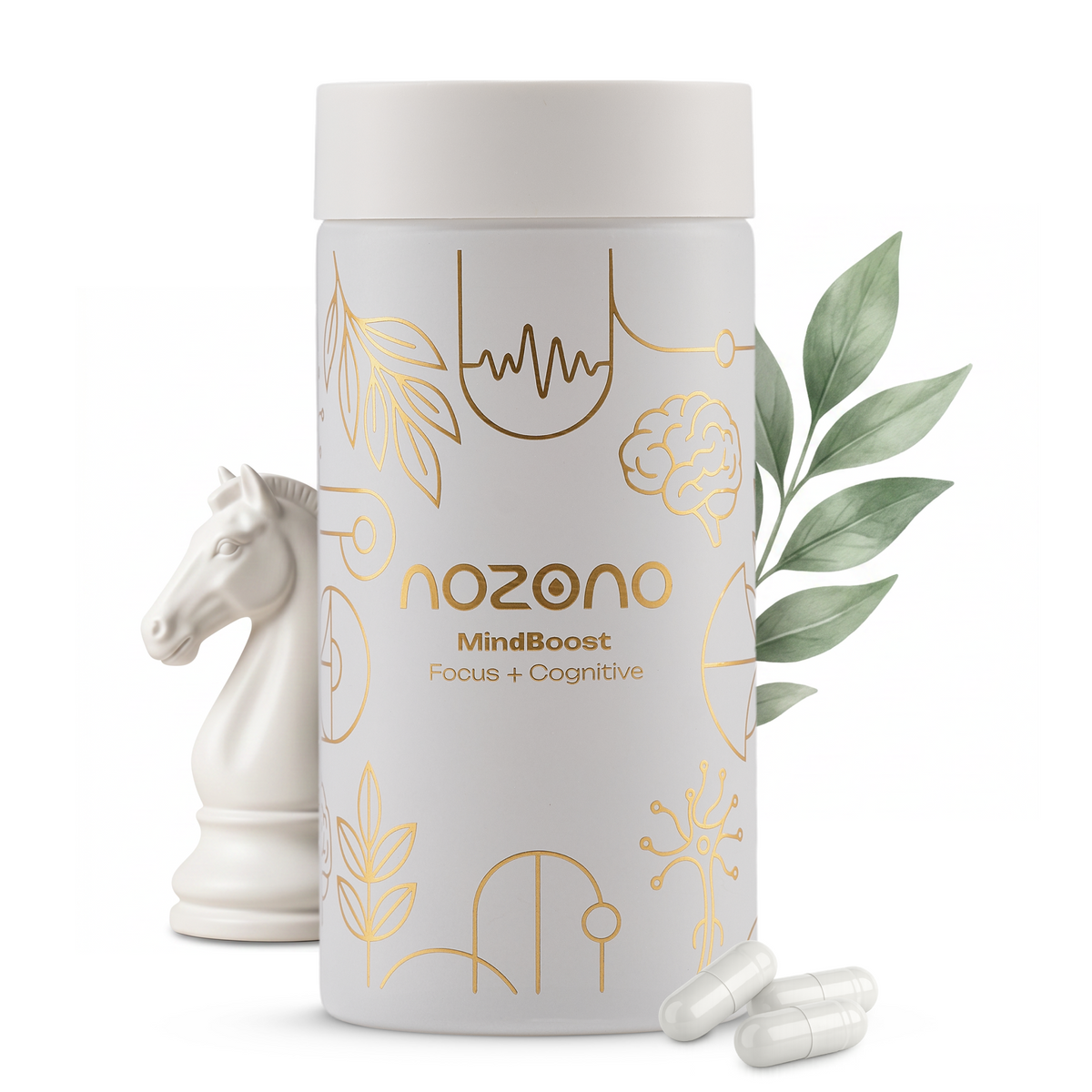
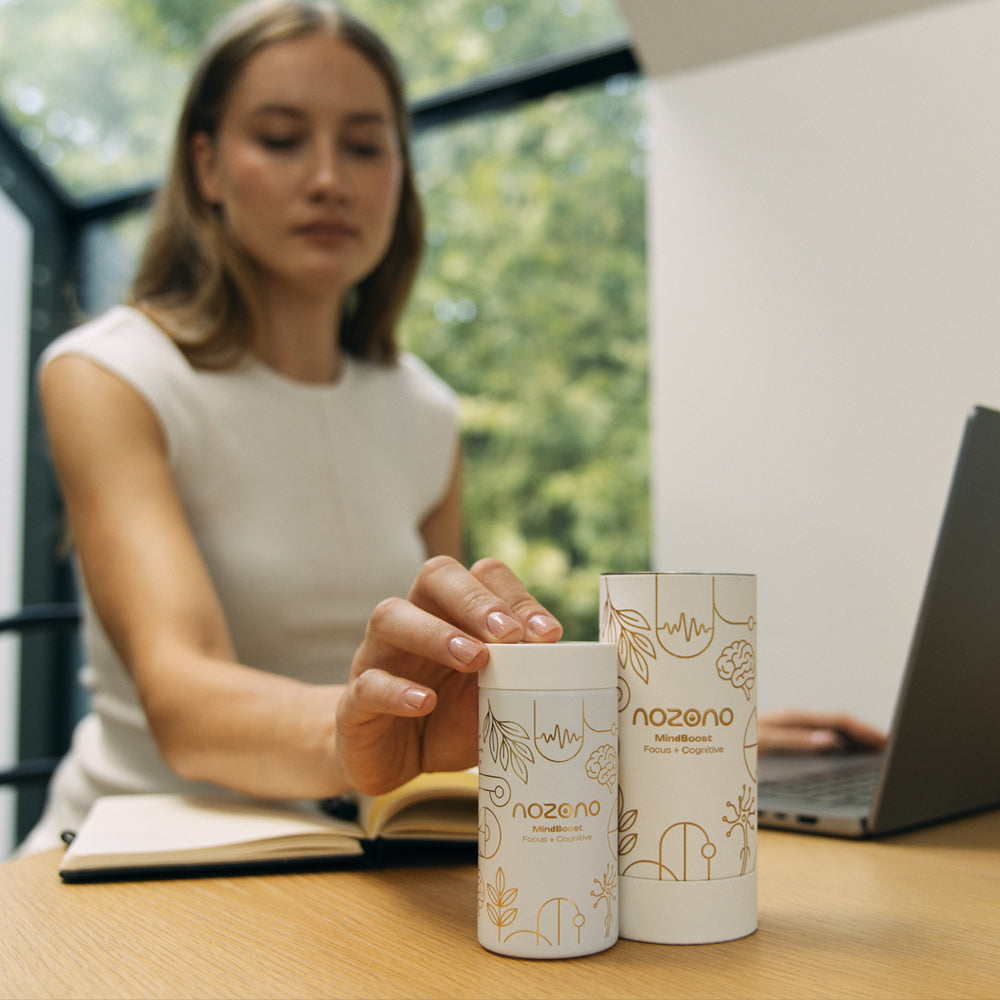
Longevity isn’t built overnight. Three capsules every morning, day after day. For a mind with a lot on its plate. Eight ingredients, two capsules a day.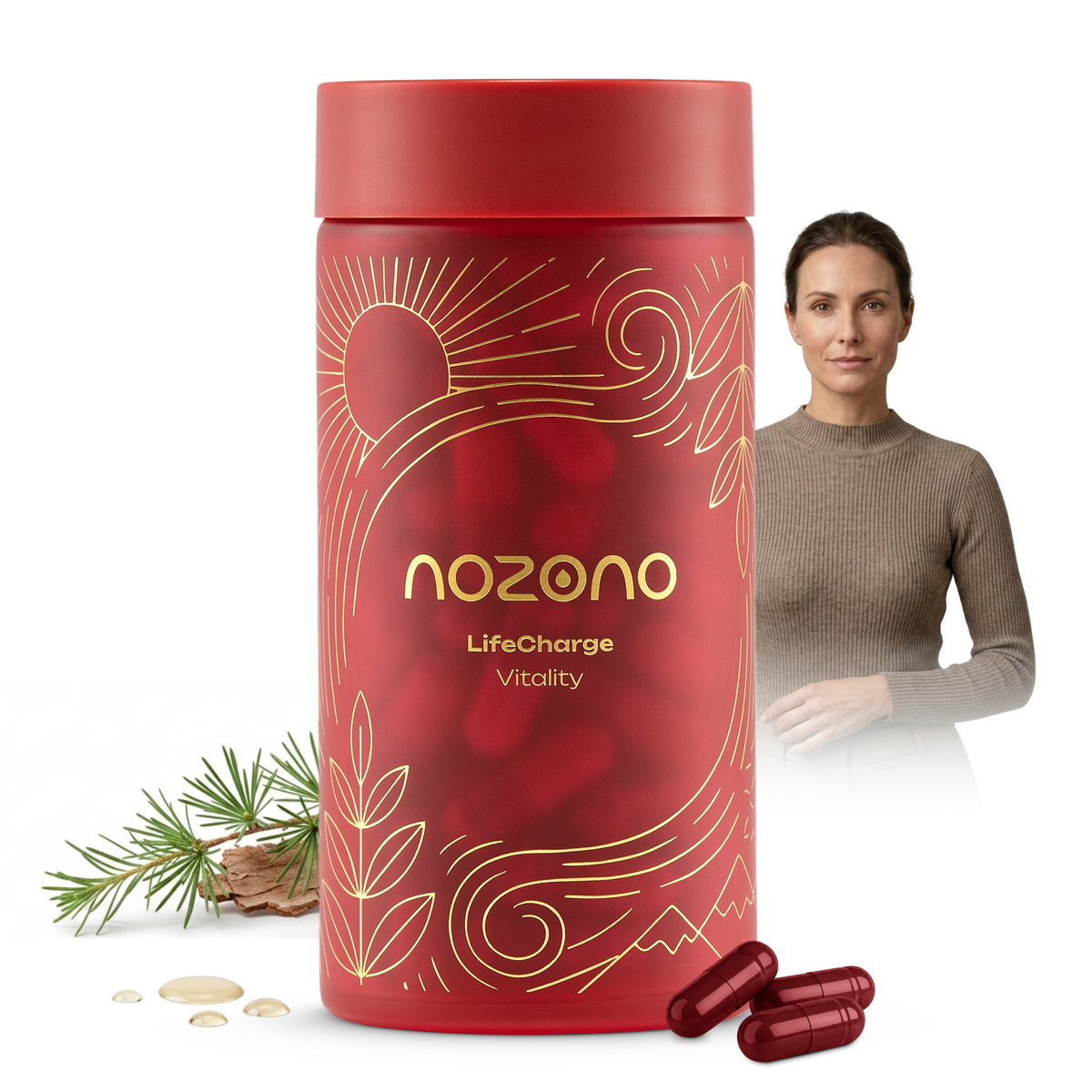

What should you take away from this?
Coffee cannot replace sleep, recovery, a healthy amount of movement, or a consistent routine. But for most healthy people, it can be part of a healthy, longevity-focused lifestyle – as long as we can enjoy it without feeling that we need it or crave it.
So instead of searching for the strongest possible stimulation, we should rather



Share:
Sleep quality, calories burned, a good feeling. What can (and can’t) you learn from a smartwatch?
Muscle Mass: The Best Investment in Longevity